From Heat-Reflecting "White Roads" to Bunkers: Why Greenlandic Anorthosite is the Future of Sustainable Infrastructure
Boris Hardi
Author
AnorTech creates cement without clinker production, bypassing massive CO2 emissions. Discover how Greenlandic anorthosite is revolutionizing sustainable infrastructure.
AnorTech is pioneering a revolutionary approach to cement production that could fundamentally change how we build our infrastructure. By creating cement without traditional clinker production, they're bypassing the massive CO2 emissions that have long plagued the construction industry.
This breakthrough technology transforms Greenlandic anorthosite into high-performance construction materials that are not only environmentally superior but also technically advanced.
From Grønne Bjerg to Global Impact
The rocks from the Grønne Bjerg (Green Mountain) project in Greenland are being transformed into solutions that address some of our most pressing infrastructure challenges. Here's how this remarkable material is reshaping multiple industries.
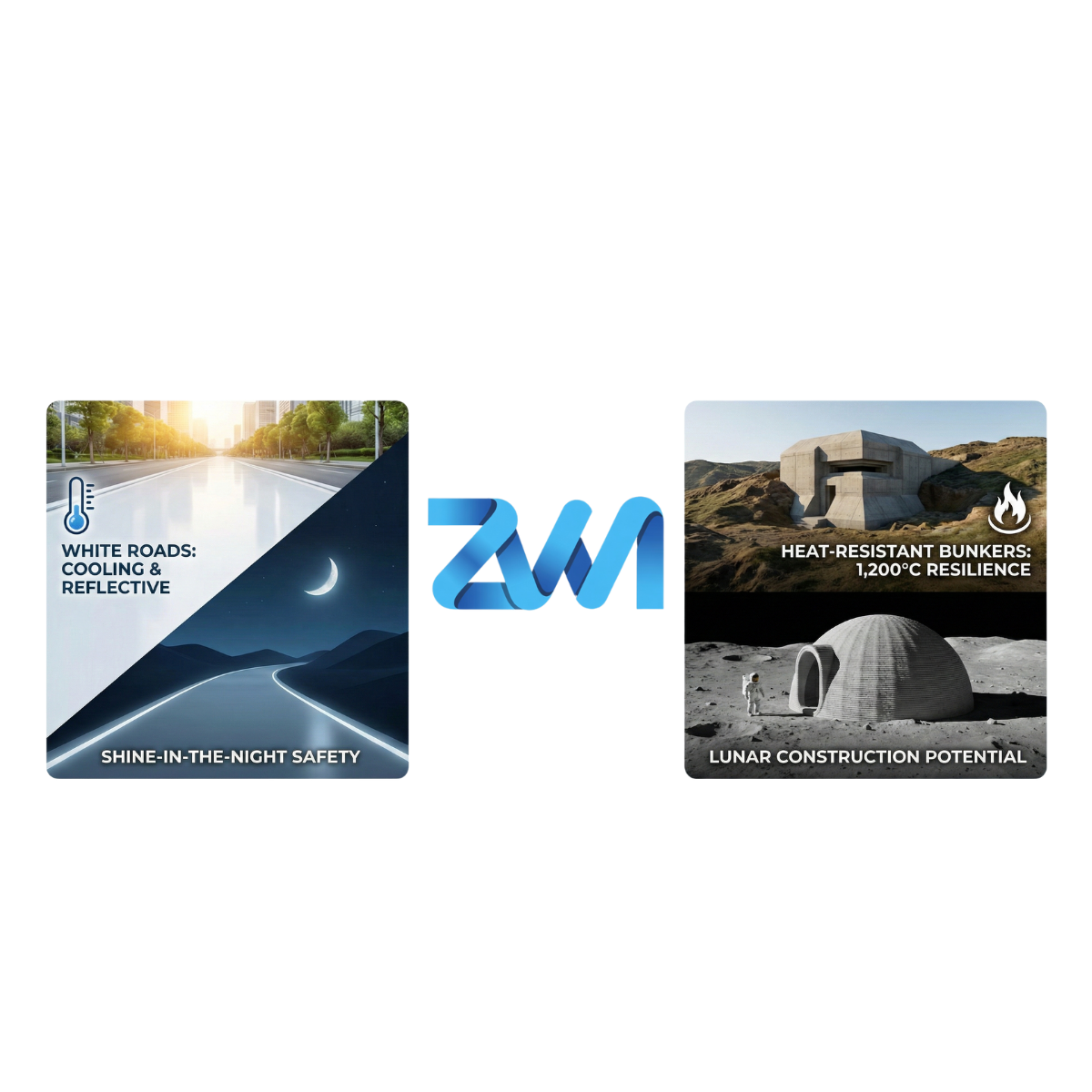
Heat-Reflecting "White Roads"
Traditional asphalt roads absorb heat, contributing to the urban heat island effect that makes cities unbearably hot during summer months. Anorthosite-based materials can create reflective road surfaces that:
- Reduce surface temperatures by reflecting solar radiation
- Lower cooling costs for nearby buildings
- Improve air quality by reducing heat-driven pollution
- Enhance nighttime visibility for safer driving conditions
Cities around the world are beginning to recognize the potential of white road technology to combat rising temperatures and create more livable urban environments.
Heat-Resistant Infrastructure
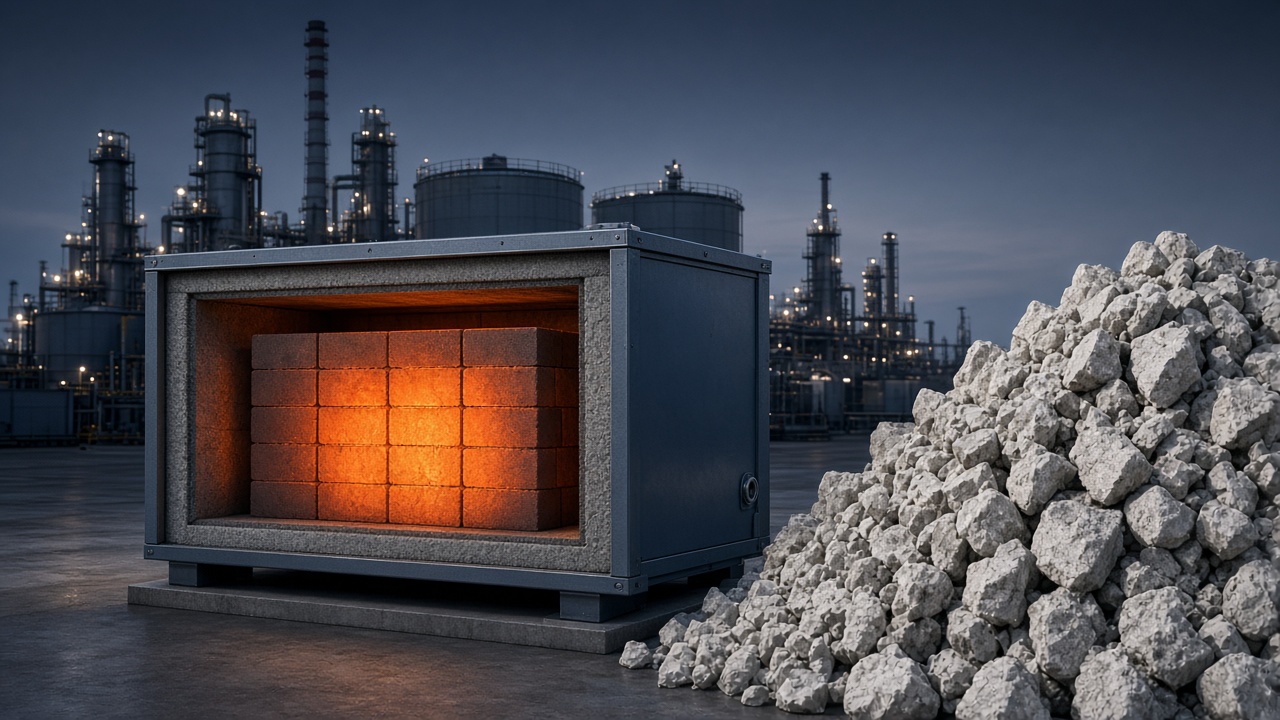
Anorthosite-based materials demonstrate remarkable thermal resilience, withstanding temperatures up to 1,200°C. This makes them ideal for:
- Critical infrastructure protection — bunkers and shelters
- Industrial applications where heat resistance is paramount
- Fire-resistant construction in wildfire-prone areas
As climate change increases the frequency of extreme weather events, fire-resistant materials become not just desirable but essential.
Beyond Earth: Lunar Construction Potential
Perhaps most exciting is the potential for anorthosite in space construction. The Moon's highlands are rich in anorthosite, making this material a prime candidate for:
- In-situ resource utilization (ISRU) for lunar bases
- Radiation shielding for astronaut habitats
- Structural materials for permanent lunar settlements
NASA and other space agencies are actively researching anorthosite-based construction methods for future lunar missions.
The Zero-Waste Advantage
What sets AnorTech's approach apart is the complete utilization of extracted materials. Unlike traditional mining operations that generate significant waste, anorthosite processing yields valuable byproducts:
- High-purity alumina for aluminum production
- Silica for glass and semiconductor industries
- Calcium compounds for cement production
- Iron oxides for pigments and steel production
Every element extracted from the rock finds a commercial application, creating a truly circular economy model.
A High-Value, Zero-Waste Future
This is the definition of a circular economy in action. Every component of the anorthosite is utilized, creating multiple revenue streams while eliminating the environmental burden of waste disposal.
The Grønne Bjerg project represents more than just a mining operation—it's a blueprint for how resource extraction can work in harmony with our planet's future. As industries worldwide seek sustainable alternatives to traditional materials, Greenlandic anorthosite stands ready to meet that demand.
Join the conversation about sustainable mining and green infrastructure. The future is being built today, one innovative material at a time.